
Two Legs, Four Legs: They Share the Scene Now
When two very different characters appear together for the first time and the scene finally feels alive, something changes for a storyteller. That is what we are building at TheToonMaker: you write a scene, and you see Lukita the rabbit and Michi the cat share the frame naturally, in the visual style you choose.
Characters who share a scene without losing who they are
Lukita and Michi do not move the same way, and that is exactly why the scene works. Lukita the rabbit, who moves on two legs, keeps an agile and expressive presence; Michi the cat, who runs on four legs, keeps his natural movement. In practice, that means you can now think about shots where a hero and a pet appear together without forcing one of them to act like the other.
%2015.55.01.png)
In real productions, that detail matters a lot. If the motion does not respect who each character is, the scene feels off right away. That is why this new stage focuses on something simple to say and hard to do well: each character moves as themselves, while the shot still feels complete and tidy.
What this gives you as a creator
- You can imagine stronger duos: hero and pet, guide and companion, traveler and creature.
- You do not need to force every character into the same kind of movement.
- The scene feels more alive because each figure keeps its identity.
- The camera keeps everyone visible inside the frame.
How does the same scene look in different styles?
This is where one of the most fun parts comes in: the visual style catalog. You do not have to stay with one look. You can choose the style that best fits your story and see how the same moment changes with the tone you want.
Think of the scene as a creative palette. The same meeting between Lukita and Michi can feel different if you see it as classic cartoon, inked comic, black-and-white manga, illustrated storybook, or more lit 3D.
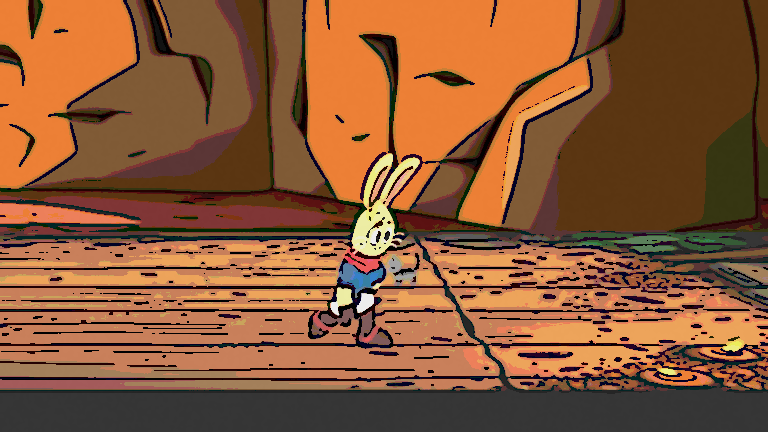
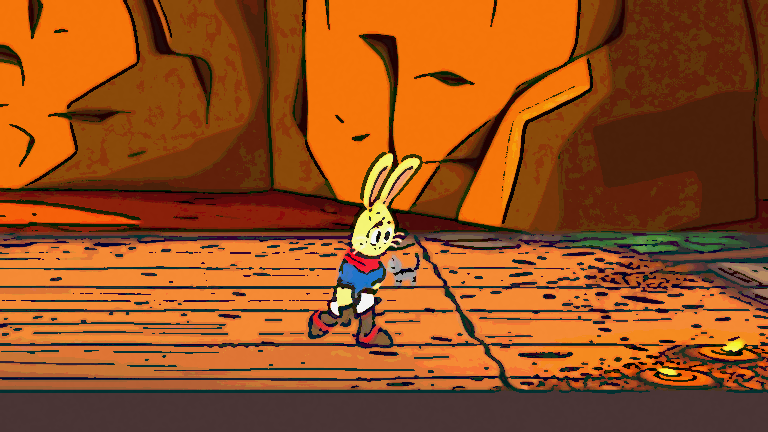
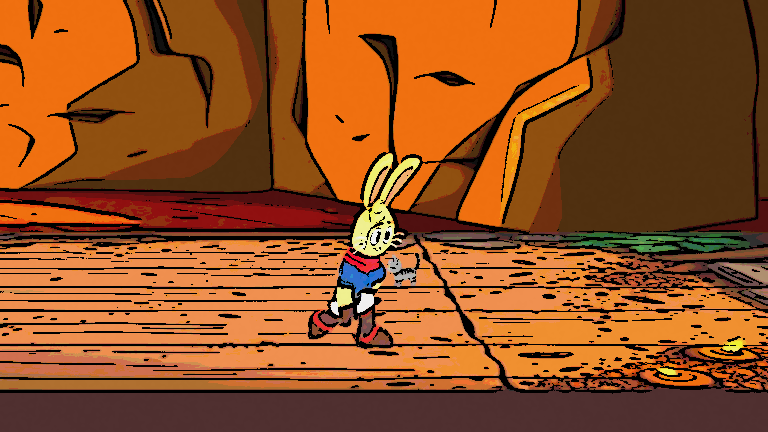
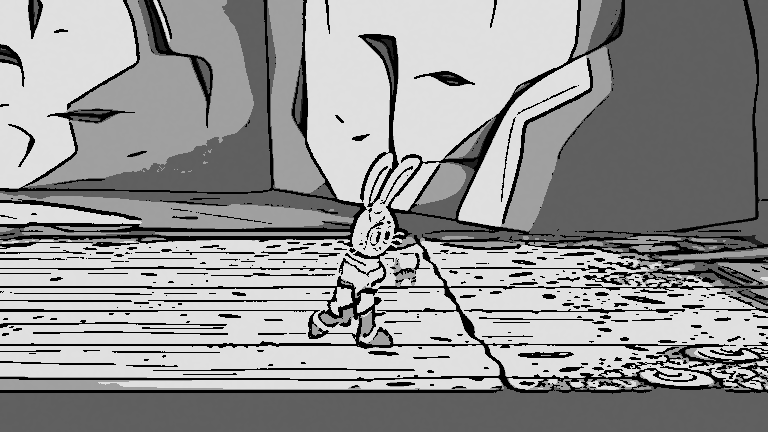
TheToonMaker already offers 10 selectable visual styles, so your story is not locked into one reading. You can go more playful, more nostalgic, or more dramatic depending on the chapter. And that helps a lot when you want to show a project to clients, a team, or an audience: the look also carries part of the story.
Choose the look, and we keep the scene in shape
The next step is not only making the animation look good. It also needs to read clearly at a glance. That is where a virtual director comes in, framing, placing, and organizing the characters so you do not have to fight the composition.
In plain terms: you decide who is in the scene and what style it has; the platform helps make sure everything looks clean. The framing is meant to keep the characters inside the set, without losing important elements or breaking the visual flow.
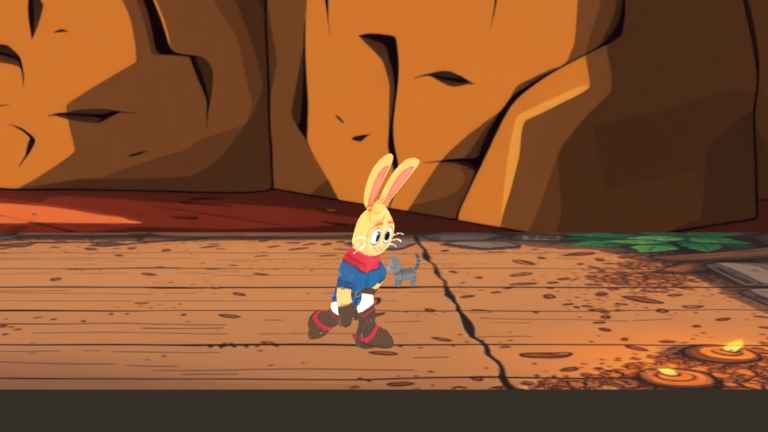
That frees up creative time. Instead of spending energy on where each figure should go, you can focus on what truly moves a series or short: rhythm, emotion, and the moment you want to tell.
What this invisible director does for you
- It keeps the scene complete.
- It helps each character stay in place.
- It protects the visual reading of the shot.
- It leaves you more room to write the story.
Why does this get us so close to the final render?
Because the hardest part is no longer imagining a scene. It is seeing it move with your own voice. We are very close to the point where you can write a scene and watch it come alive with different characters sharing the same shot, with a style you picked and cleaner, faster results.
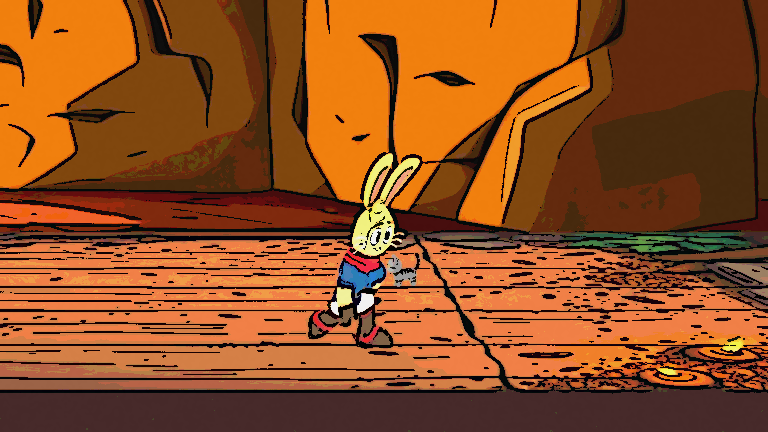
In practice, that means fewer steps to reach a presentable version of your idea. We are not promising magic; we are closing the gap between your script and a finished animated scene you can actually show.
If you want to follow the progress and try the creative flow when it is ready, start with TheToonMaker and keep an eye on how your next scene evolves.
What matters most for your story
- Two different character types can now share the same shot.
- Each one keeps a natural way of moving.
- You can choose from 10 visual styles for the same moment.
- Automatic framing and faster finishing bring you closer to the final render.
If you already have a scene in mind, the next step is to write it clearly and picture how it would look in your ideal style. We are building the path so that that jump keeps getting shorter.