
ToonAI and Lukita: 5 Steps to Animate a Sketch
Can you go from a quick sketch to an animated scene without knowing 3D animation? We asked ourselves that question with Lukita the rabbit, our test character. This is the honest story of ToonAI: what worked, what did not, and how we learned to respect the identity in the original drawing.
From a simple idea to a motor that understands characters
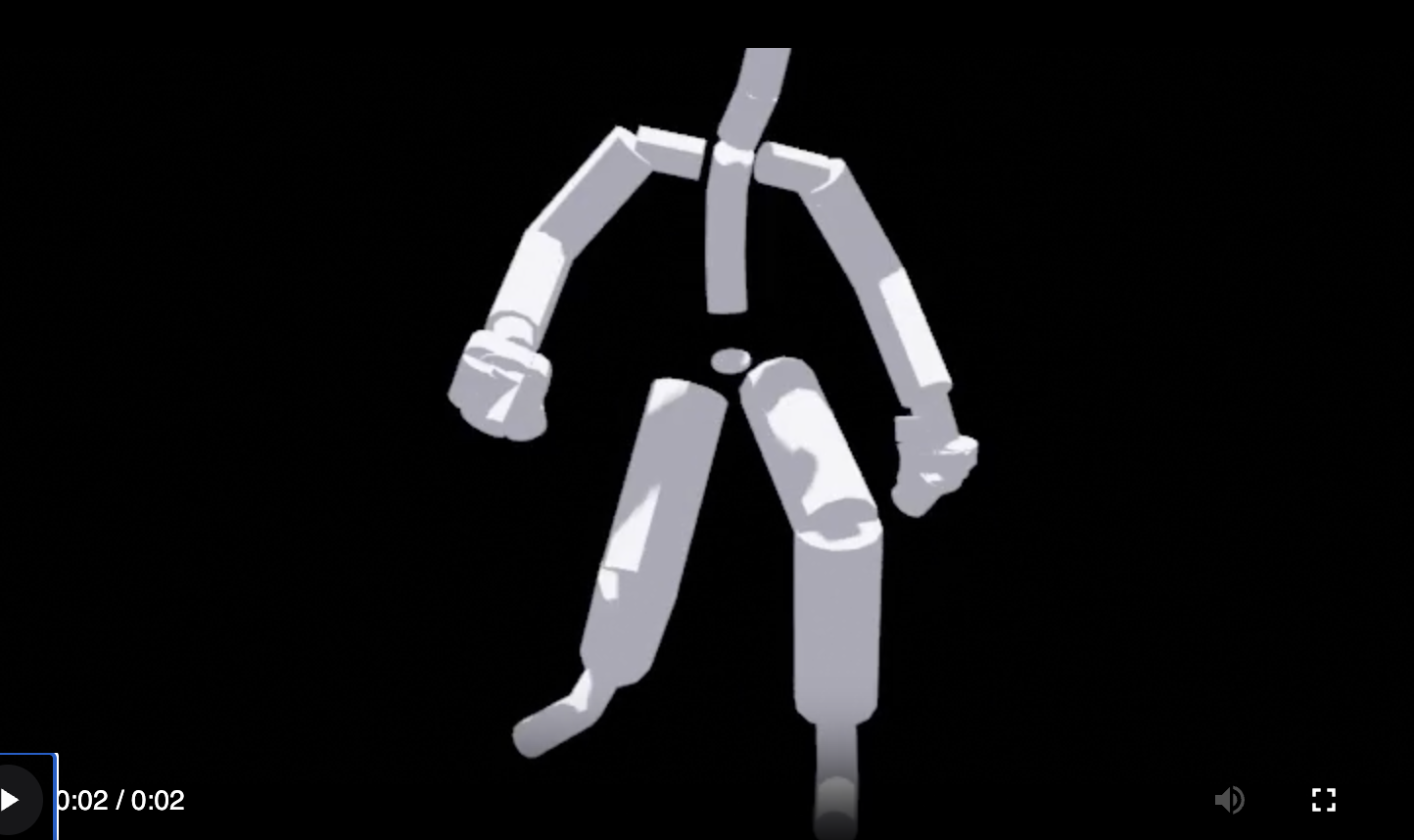
When we started, we were not chasing a perfect image. We were chasing a simpler answer: can a character move without losing who they are? The first attempt was very basic, almost abstract, because we only wanted to validate one thing: pose. That step helped, but it also showed a clear limit. If a system only understands motion, but not the character, the result feels empty.
That is where the real work began. ToonAI grew the way useful creative tools often do: through tests, mistakes, and small corrections. Months later, we moved from a figure with no identity to a way of reading the creator’s sketch, giving it volume, and placing it in a scene with its own light and mood. It was not magic. It was a chain of decisions.
What did we learn from Lukita’s first attempt?
The first version of Lukita was not really Lukita. It was a figure made of cylinders, useful for testing body direction and pose, but too generic. That experiment taught us something important: if the character has no identity, the motion may work, but it will not connect.
In real productions, we have seen this again and again. A good gesture is not enough if the viewer cannot recognize the character. That is why ToonAI does not stop at “making something move.” It first tries to understand the character sheets the creator uploads, because that is the source of truth: the face, the ears, the proportions, the mood, the colors.
Lukita forced us to think about this from the start:
- The character must remain the same from shot to shot.
- The pose has to respect the design.
- The scene should support the personality, not hide it.
- The final result should feel made for that character, not for a generic one.
That shift in thinking led us to a simple idea: the sketch is not decoration. It is the foundation.
How does ToonAI turn a sketch into a scene?
ToonAI combines several steps into one creator-friendly flow. First it understands the character from the sheets. Then it gives the character volume so it no longer feels flat. After that, it places the character in a scene with its own light, its own space, and a composition that makes sense. At the end, it brings everything together in a coherent cartoon style.
That sounds simple when you read it fast. But in practice, there is a lot of judgment behind it. If the silhouette changes too much, the character feels off. If the scene becomes too loud, the character gets lost. If everything has the same weight, there is no visual hierarchy. The engine had to find that balance.
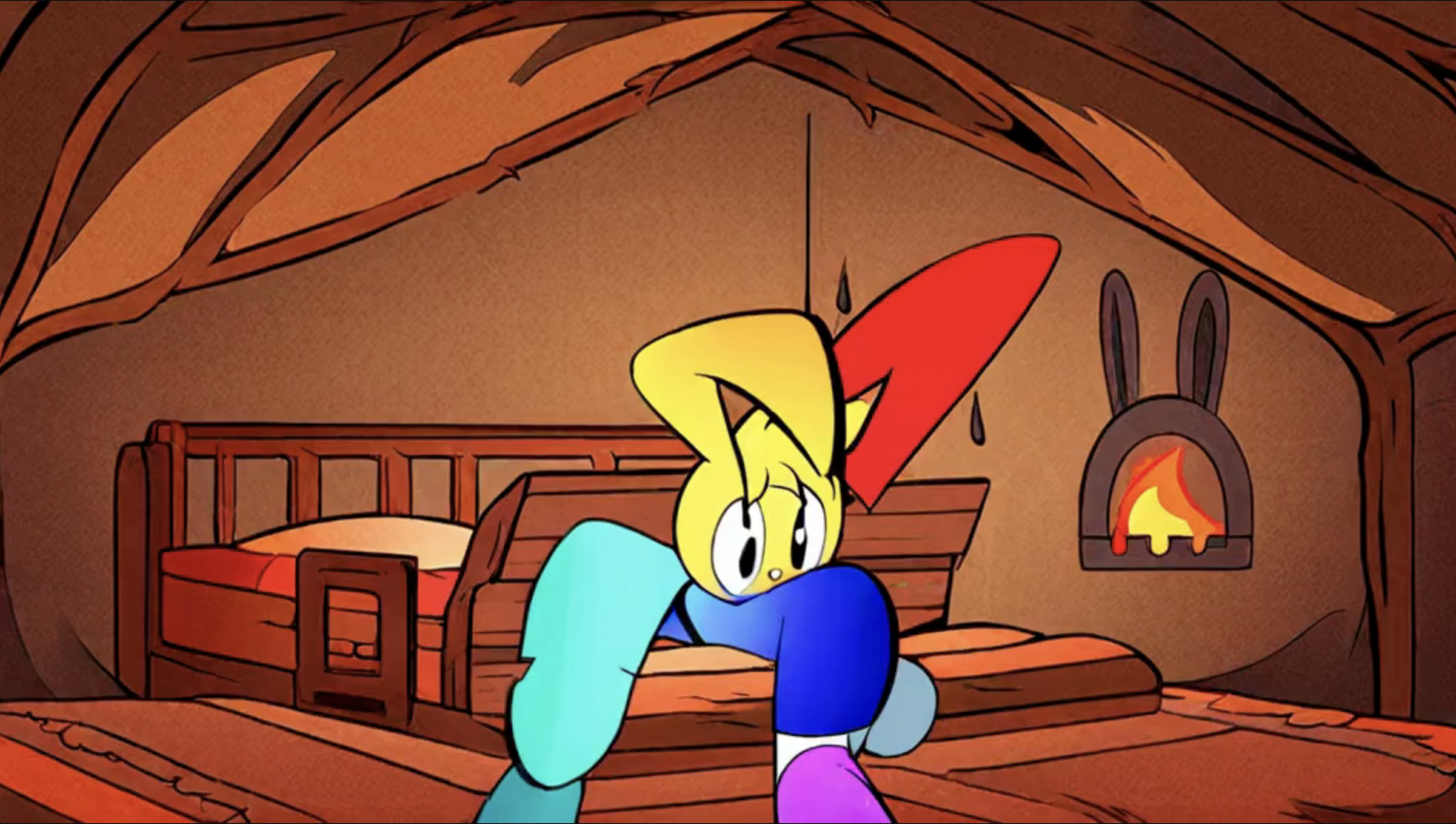
Lukita’s middle stage in the burrow was very useful for this. The scene already felt warm and had a clear intention, but it still did not fully hold the personality together. It was charming, yes. It was also unstable. And that helped us more than a perfect image, because it showed us what still needed work.
Why does the character sheet matter so much?
If you upload a sketch by hand, ToonAI should not invent a different character for you. That was one of our most important principles. The tool has to respect what you drew, not replace it with a version that looks more polished but no longer feels like yours.
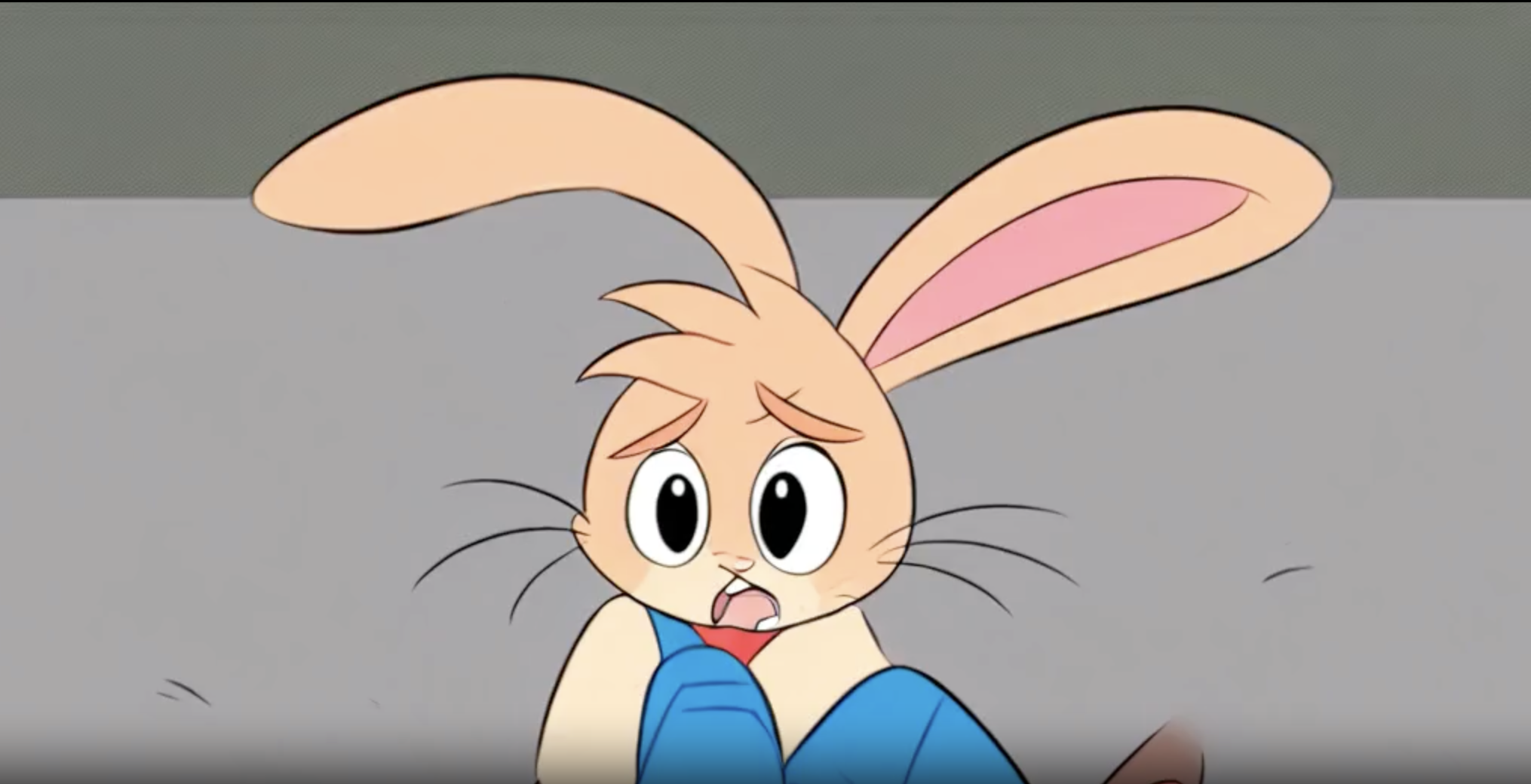
That is why character sheets matter so much. They define the identity that stays consistent across the whole scene. With Lukita, for example, we learned to protect very specific details: the ear shape, the eye size, the curious and nervous expression, and that mix of sweetness and energy that makes him recognizable.
We also learned something that applies to any creator: the clearer the reference, the easier it is to keep the character consistent across different shots. You do not need to know 3D animation. You need a clear idea of the character and a sketch with intent.
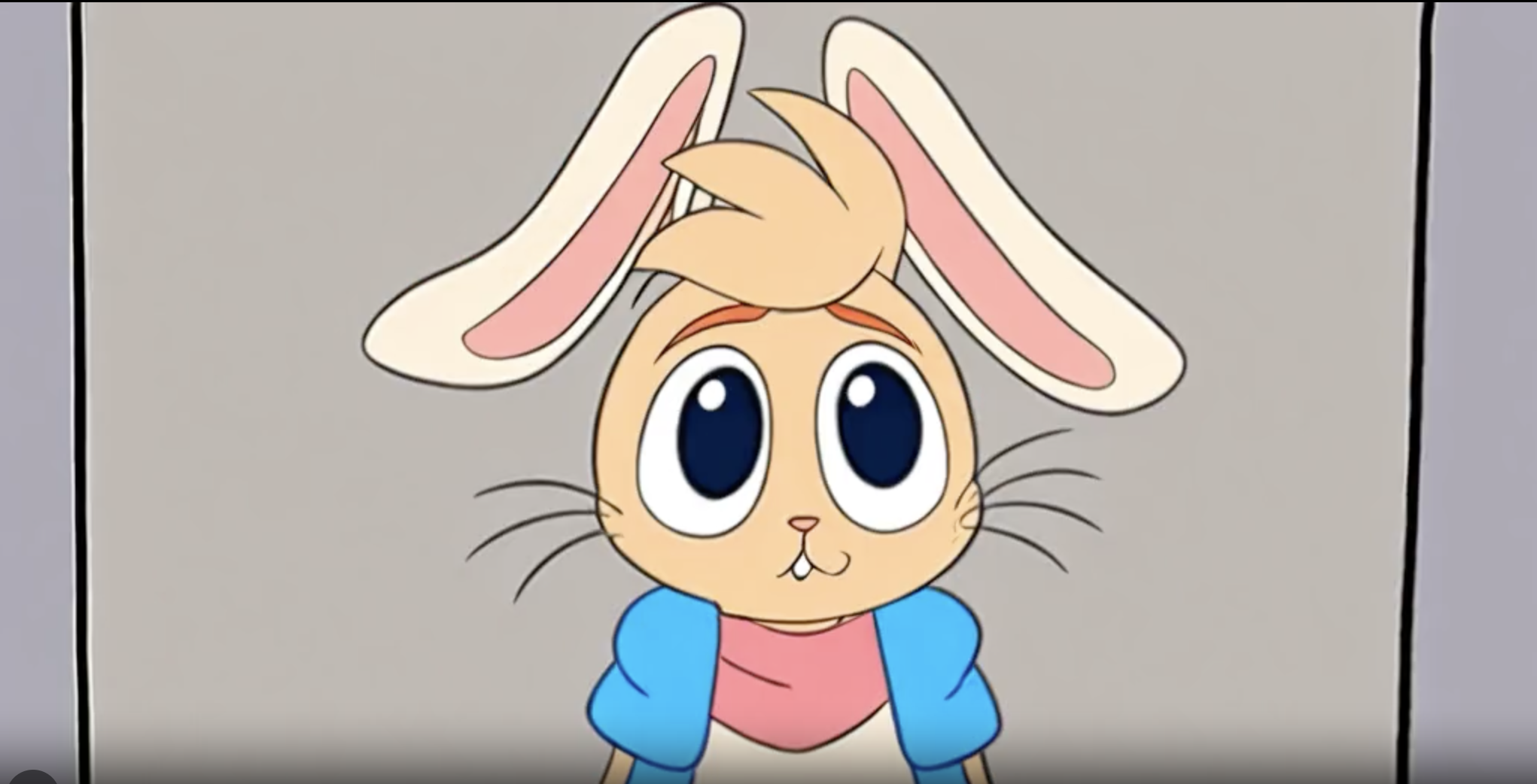
From flat sketch to character with volume: the turning point
The most important decision was not to make it “more realistic.” It was to stop fighting a flat sketch as if it had to solve everything on its own. We realized that for a character to work in a scene, it needs volume. It needs to exist in a space. It needs a relationship with light and with what surrounds it.
That is when ToonAI started to feel like a tool truly made for creators. It does not ask you to understand a complicated workflow or translate your idea into technical language. You upload your sketch, define the character, and the engine does the visual construction needed to bring it into a finished scene.
The current version of Lukita sums that up well. It no longer feels like a loose test. He is in a cozy room, with presence, volume, and a personality that feels his own. It is the closest version yet to what we imagined from the start: a character living in his world.
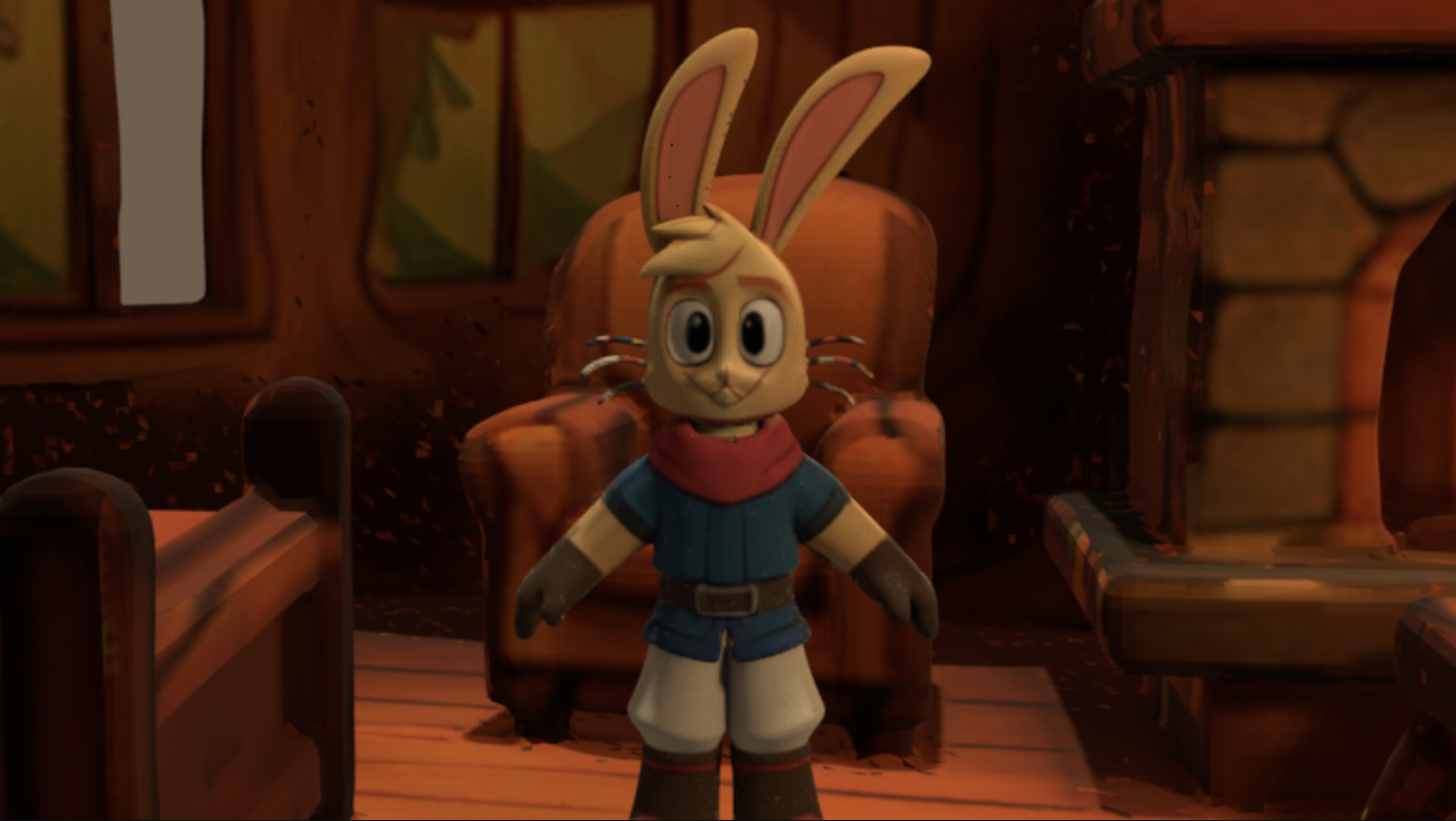
Why Lukita’s evolution matters for your first short
Lukita’s story is not just a nice before-and-after. It is proof that an independent creator can start from something simple and end with a finished scene without mastering complex tools. That is what matters most to us at TheToonMaker.
In practice, this evolution gave us three clear lessons:
- A character needs identity before motion.
- The creator’s sketch should be the starting point, not a disposable draft.
- A scene works better when the character has volume and the environment does too.
That idea has already been tested in several locations: the rabbit burrow, the forest, and the shelter. Each location helps reveal something different about the character. And while Lukita is our first lead character, the goal is the same for any creator: keep your drawing’s essence while bringing it to life.
If you want to feel that flow with your own sketches, start your trial at TheToonMaker and turn your first idea into an animated scene.
What comes after Lukita
ToonAI is still learning. And we like saying that plainly, without polish. Every test teaches us something about proportion, presence, atmosphere, and visual consistency. Every new scene helps us better understand how to support the creator’s original idea.
Lukita remains our test companion because he reminds us of something essential: a good engine does not erase the artist, it supports them. It does not replace intent. It makes intent visible.
If you already have a sketch with personality, you have more than half the journey done. The rest is finding a tool that respects it.
Start now at TheToonMaker and upload your first sketch to animate a short with its own identity.